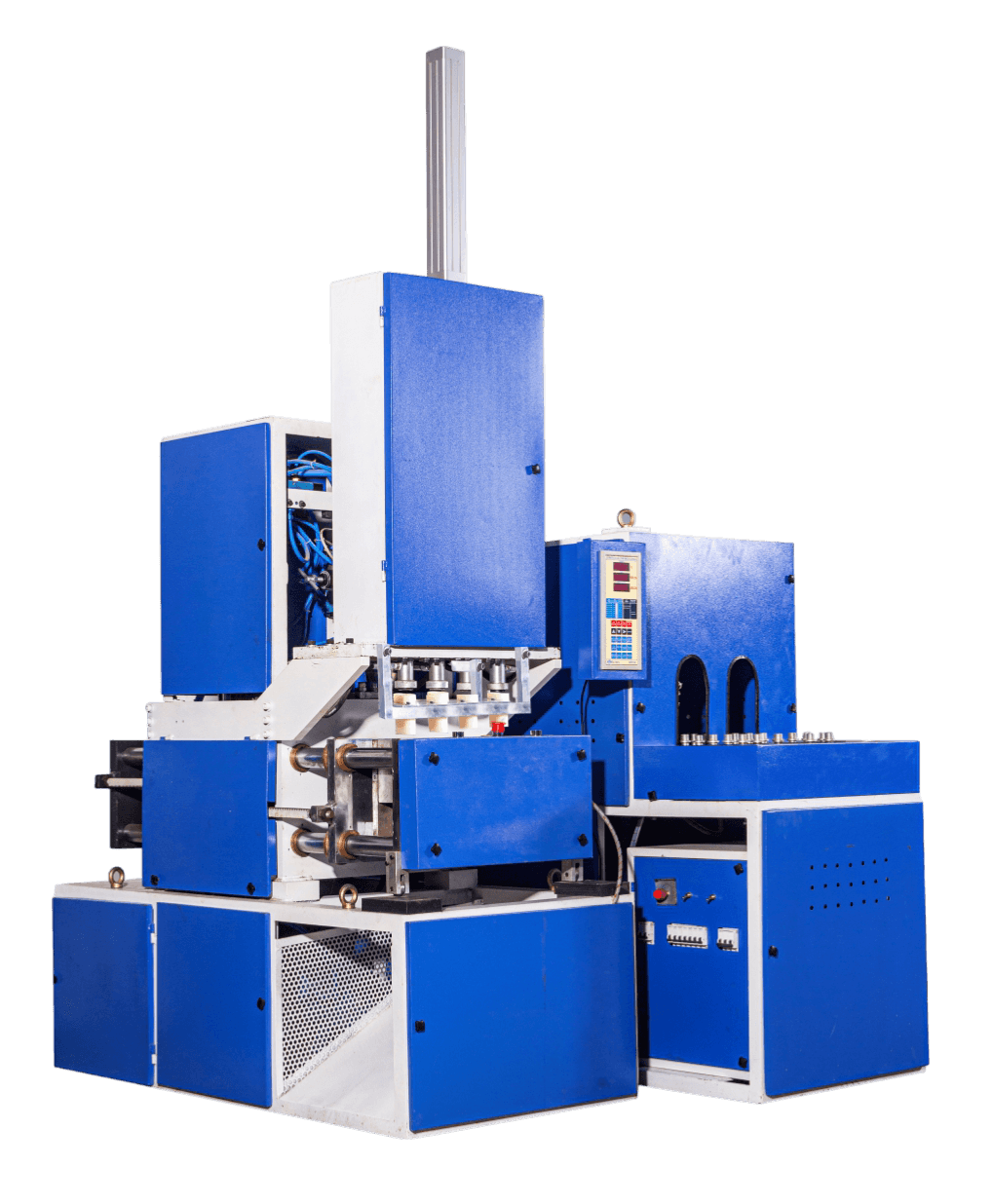
If you're planning to start or grow a PET bottle manufacturing unit, one decision will shape almost everything that comes after it — the machine you buy. And for most small and medium businesses, that machine is a semi automatic stretch blow moulding machine.
It sounds simple on paper. Heat the preform, blow it into shape, get a bottle. But the gap between a good machine and an average one shows up every single day — in your output numbers, your electricity bill, your downtime, and honestly, your stress levels.
This guide walks through what to actually check before you buy, written from a practical, factory-floor point of view rather than a brochure point of view.
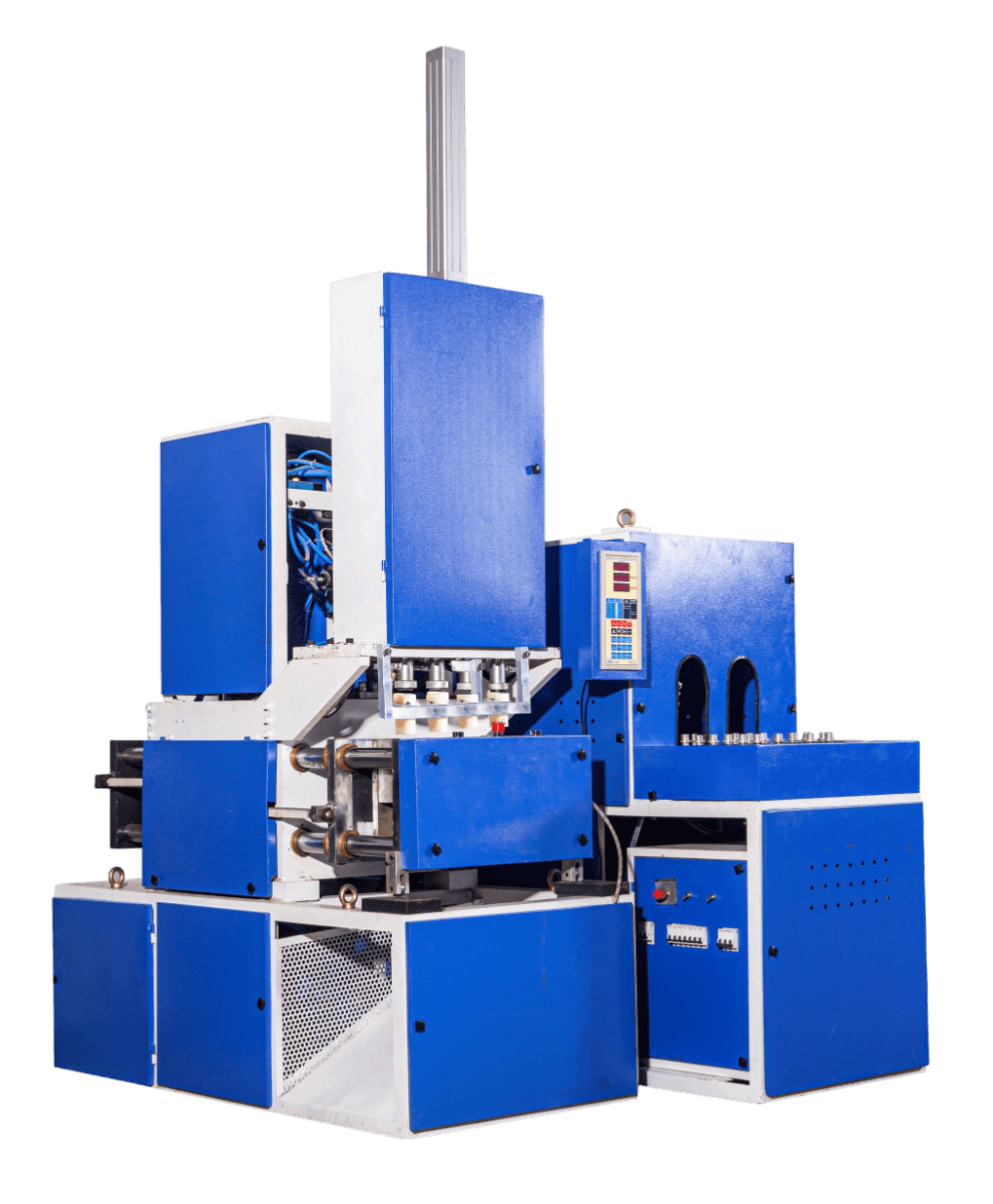
First, What Does This Machine Actually Do?
A semi automatic stretch blow moulding machine takes a PET preform (that small test-tube shaped piece of plastic), heats it to the right temperature, and then stretches and blows it inside a mould to form the final bottle shape.
The "semi automatic" part means the blowing cycle itself is automated, but loading preforms and unloading finished bottles is usually done manually by an operator. This keeps the machine simpler, cheaper, and easier to maintain compared to a fully automatic line — which is exactly why it's the starting point for most new manufacturers.
Why This Decision Deserves More Time Than People Give It
A lot of buyers shortlist machines purely on price, get a quote, and move forward. Then six months in, problems start showing up: bottles coming out with uneven wall thickness, the heating unit struggling to keep up, mould changeovers eating up production time, or spare parts that take weeks to source.
None of these problems are visible on day one. They show up only once you're running production at scale — which is exactly why this buying decision matters more than it feels like it does.
What to Actually Check Before Buying
1. Match the Machine to Your Real Output, Not Your Dream Output
2. Can It Handle the Range of Bottles You'll Actually Produce?
Even if you're starting with one product — say, 500ml water bottles — think about whether you'll need to produce other sizes later: 1L bottles, oil containers, or smaller cosmetic packs.
A machine that can switch between mould sizes with minimal fuss gives you flexibility without forcing a second machine purchase down the line.
3. Look Closely at Power Consumption
This is one area where machines that look similar on the outside can differ a lot underneath. The heating system — usually the biggest power consumer — varies in efficiency from one manufacturer to another.
Over a year of continuous operation, even a modest difference in power efficiency adds up to a real number on your electricity bill. It's worth asking specifically about this rather than assuming all machines are the same.
4. Build Quality Isn't Something You Can Always See in a Demo
Pneumatic components, electrical wiring, the frame itself — these are the parts that determine whether a machine is still running smoothly in year 5, or constantly breaking down by year 2.
If possible, ask to see machines that have already been running for a few years at another customer's site. That tells you more than any spec sheet.
5. How Easy Is It for Your Team to Actually Run?
Your operators won't all be highly trained technicians. A machine with straightforward controls, simple mould-changing, and accessible maintenance points means less training time, fewer mistakes, and less downtime when something needs adjusting.
Semi Automatic vs Fully Automatic — A Quick Comparison
| Semi Automatic | Fully Automatic | |
|---|---|---|
| Upfront cost | Lower | Higher |
| Labour needed | Moderate | Low |
| Output capacity | Medium | High |
| Maintenance cost | Lower | Higher |
| Best suited for | Small & medium businesses | Large-scale production |
For most businesses just entering PET bottle manufacturing, a semi automatic machine offers a more manageable entry point — and many manufacturers run these for years profitably before ever considering an upgrade.
Where These Machines Get Used
These machines aren't limited to one type of bottle. Across India, they're commonly used for:
- Mineral water bottles — where clarity and consistency matter for brand perception
- Beverages — juices, soft drinks, and similar products
- Edible oil packaging — lightweight, safe PET containers
- Pharmaceutical containers — syrups and healthcare products
- Cosmetic and personal care bottles
If you're not sure which category your business will eventually expand into, it's worth keeping that in mind while choosing machine flexibility.
Why the Manufacturer Matters as Much as the Machine
Two machines can look nearly identical on a spec sheet and still perform very differently over time — because what happens after the sale often matters more than the sale itself. This is why working with an experienced stretch blow moulding machine manufacturer can make a real difference to your long-term production.
Things worth asking about:
- How quickly can they get a technician to you if something breaks?
- Are spare parts easily available, or do they need to be specially ordered?
- Do they have a track record of machines still running years later?
This is where experience genuinely counts. A manufacturer who's been building these machines for decades has already seen — and fixed — the problems that a newer manufacturer might still be working through.
A Bit About Suraj Plastic Industries
Suraj Plastic Industries has been around since 1982, originally working with blow and injection moulded plastic products before moving into PET blow moulding machines in 1997. That's nearly three decades specifically in this machine category, with an ISO 9001:2015 certification and a long list of installations across India.
For businesses looking for a semi automatic stretch blow moulding machine with the backing of an experienced manufacturer — one that understands the practical, day-to-day realities of running a bottle production line — Suraj Plastic Industries is a name worth considering. As a trusted preform stretch blow moulding machine manufacturer and PET bottle blow machine manufacturer, they bring decades of hands-on experience to every machine they build.
A Quick Checklist Before You Sign the Order
- Production capacity matches your needs for the next 1–2 years, not just today
- Machine can handle the bottle sizes you'll realistically produce
- Power consumption has been discussed and compared
- You've seen (or heard about) machines running successfully elsewhere
- Spare parts and service support are clearly explained
- Mould changeover process has been demonstrated, not just described
Frequently Asked Questions
What's the difference between semi automatic and fully automatic blow moulding machines?
The core difference is how much manual handling is involved. Semi automatic machines need an operator to load preforms and remove finished bottles, while fully automatic machines handle this on their own. Semi automatic machines cost less upfront and suit smaller production volumes.
Is a semi automatic machine good enough for a new business?
For most new and growing businesses, yes. It offers a lower entry cost, simpler operation, and enough output to build a customer base before considering a bigger investment.
How many bottles can a semi automatic machine produce per hour?
This depends on the bottle size, the number of cavities in the mould, and operator efficiency. It's best to discuss your specific bottle size with the manufacturer to get a realistic number rather than relying on general figures.
What bottle sizes can these machines produce?
Most semi automatic machines can handle a range of sizes — from small 200ml bottles up to 5-litre containers — depending on the mould used. Changing moulds lets the same machine produce different sizes.
How much does electricity cost affect overall profitability?
Quite a lot, especially since these machines run continuously through the day. The heating stage uses the most power, so a machine with an efficient heating system can make a noticeable difference to monthly running costs.
What maintenance does a semi automatic stretch blow moulding machine need?
Routine maintenance usually involves checking pneumatic components, heating elements, and mould condition. Machines built with quality components tend to need less frequent intervention.
Can one machine produce bottles for different industries — like water and edible oil?
Yes, as long as the mould is changed accordingly and the material specifications suit both applications. This is one reason flexibility is worth prioritising when buying.
How important is after-sales support when choosing a manufacturer?
Very important. A machine breakdown without quick support can mean days of lost production. Checking spare parts availability and service response time before buying can save a lot of trouble later.
Conclusion
Choosing a semi automatic stretch blow moulding machine isn't just about comparing prices on a quote sheet — it's about thinking ahead to how that machine will perform six months, one year, and five years from now. The right machine should match your real production needs, run efficiently without draining your electricity costs, and be backed by a manufacturer who's there when something needs fixing.
Take your time on this decision. A slightly longer evaluation now can save you from costly downtime, repeated maintenance issues, or an early upgrade you weren't planning for. With the right machine and the right manufacturer behind it, your bottle production line can run smoothly for years — and that reliability is ultimately what builds a profitable business.
Ready to Invest in the Right Machine?
Talk to Suraj Plastic Industries' experts — nearly 3 decades of PET blow moulding experience, ISO 9001:2015 certified, and fast Delhi-based support.
Get Free Quote